|
Local
History
I have lived in Berkhamsted for over 27 years and became
interested in local history as an adjunct to my family history research and as an antidote to my
career in information technology.
The parish chest of St Peter's church once held
churchwardens' accounts, vestry minutes and the details of births, marriages and deaths in the
parish. Amongst these old documents, there was a constables' accounts book with entries from 1748
to 1819. For some
reason, by 1885 it had come into the possession of William Philbey, the boot-making son of a local
laundress. The book now resides in the museum store and I had the pleasure of transcribing the
names and activities of the people of Berkhamsted, including the notorious highwayman Snooks. The
resulting article was published in the local
history society Chronicle volume
III.
As a result of my MSc studies, I have amassed an
extensive database of information on the characters of Berkhamsted in the late Georgian
period, particularly the gentry whose self-interest facilitated the implementation of local
schemes such as the Sparrows Herne Turnpike Trust and the Grand Junction canal.
I spent a fascinating term in All Souls college in Oxford
learning about Crime & Punishment, culminating in a study of women convicts transported
to Australia. Some of my studies appear in summary under the Local History
tab on my website.
|
Berkhamsted Local History
&
Museum Society

The Society aims to encourage the study and
appreciation of local history, genealogy and other subjects of historical interest. Meetings are
held monthly in Berkhamsted during the winter months and summer outings explore local towns
and villages. The Society’s
collection of archives and artefacts is deposited in the Dacorum Heritage Trust Museum Store
in Berkhamsted. You can find more information on the Society website, including Heritage map and High Street survey.
|
|
Berkhamsted
Castle
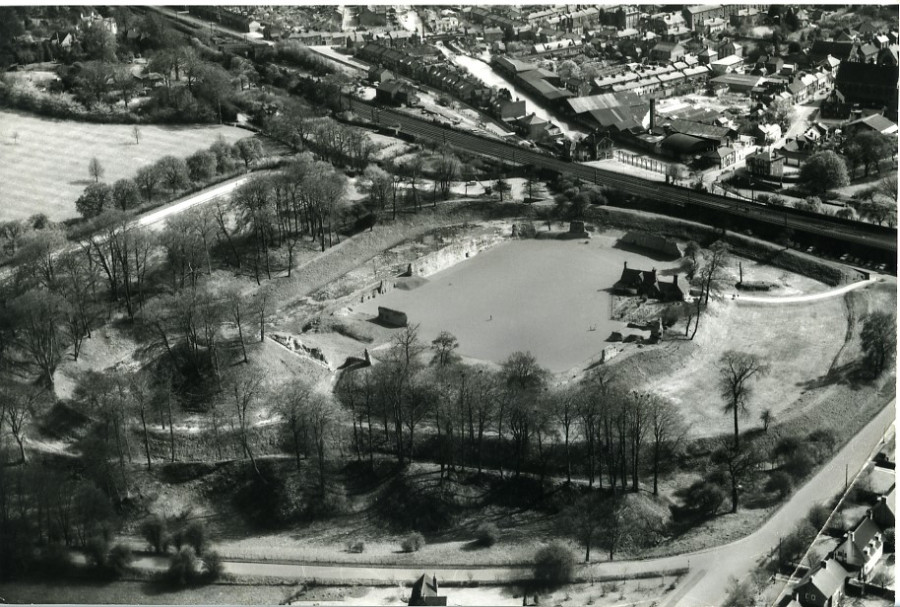
Perhaps the most well-known historical feature
of the town is the castle. The Anglo-Saxon Chronicle relates the story of Duke William of
Normandy, who after the defeat of Harold at the battle of Hastings "marched inland with what
was left of his host, together with reinforcements lately come from over sea, and harried
that part of the country through which he came to Berkhamsted. There he
was met by bishop Ealdred, prince Edgar, earl Edwin, earl Morcar, and all the best men from
London, who submitted from force of circumstances... they gave him hostages and swore oaths
of fealty, and he promised to be a gracious lord to them."
The
Bayeux tapestry reconstruction of the last missing panels by Jan Messent in 1997 shows the
submission at Berkhamsted (Beorcham) and William on the throne of
England.

A comprehensive display of 16 panels of
information and pictures tells the story of Berkhamsted in the castle visitor room, which is open
from May to the end of September each year. You can find more information on Berkhamsted castle website.
|